 Playa Grande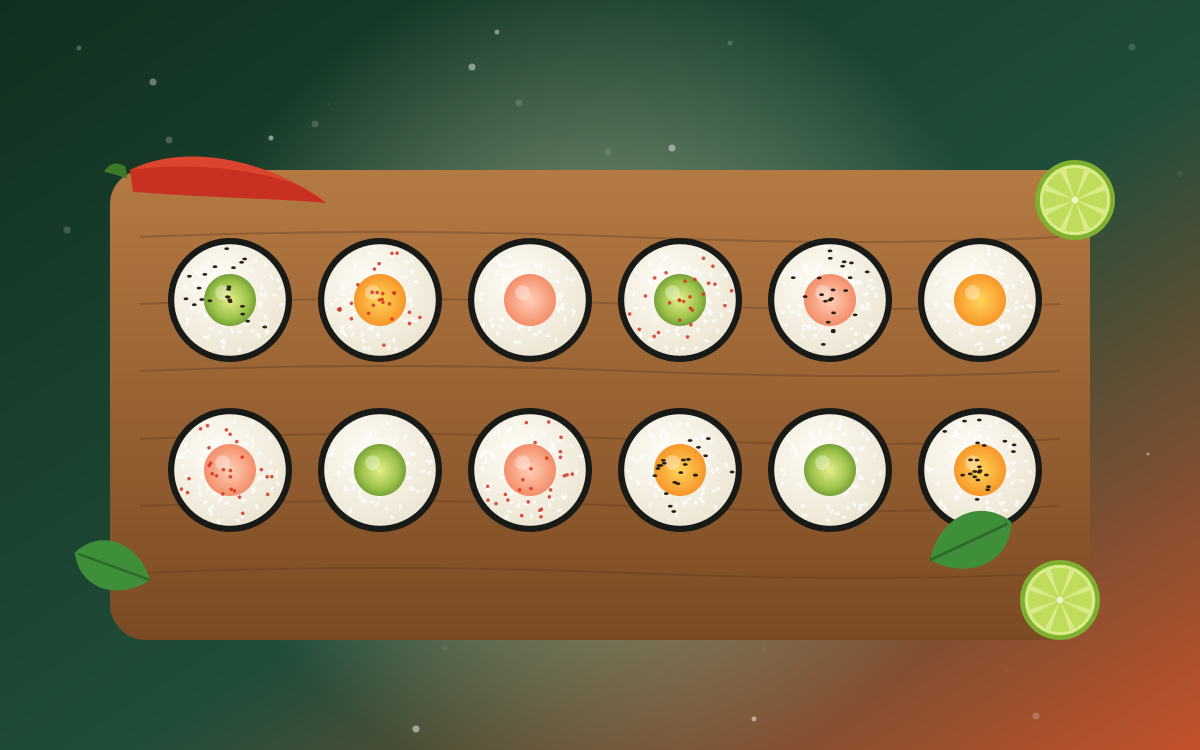
Two of the most talked-about trends in Mexican cooking are also two of the least understood: Mexican sushi and Mexican pasta. One borrows the roll from Japan and dresses it with avocado, mango, chile and lime. The other comes from a home-kitchen tradition that has been part of Mexican meals for generations. This guide explains both, what to expect, and how to enjoy them with a margarita in Menomonee Falls.
Quick answer: what are Mexican sushi and Mexican pasta?
Mexican sushi is sushi rolled with Mexican-style ingredients and flavors: shrimp or other seafood, avocado, cream cheese, mango, cucumber, often a crispy or tempura-style exterior, and sauces with chile heat and citrus. Mexican pasta is the family of noodle dishes served in Mexican homes and restaurants, from sopa seca (dry-style fideo noodles cooked in a tomato-chile sauce) to espagueti verde (spaghetti in a creamy poblano sauce). Both are everyday comfort food in Mexico, not novelties.
Mexican sushi: where it comes from
The style is most often associated with the Pacific coast of Mexico, particularly the northwestern states of Sinaloa and Nayarit, where fresh shrimp and seafood are everyday ingredients. Exactly who invented it and when is not firmly documented, and sources disagree, so it is safest to say the style grew up along that coast and spread north with Mexican restaurants and families. What is clear is the flavor logic: sushi technique meets the same ingredients Mexican cooks have always paired with seafood, such as lime, chile, avocado and cilantro.
What is usually in a Mexican-style roll
- Shrimp or other seafood: cooked, tempura-style or sometimes in the style of a ceviche or aguachile topping.
- Avocado and cream cheese: the creamy base that balances heat and acid.
- Mango, cucumber or pineapple: sweet and cool contrast.
- Crunch: tempura flakes, a fried outer layer or toasted toppings.
- Sauces: spicy mayo-style sauces, chipotle, citrus and sweet chile glazes.
How it differs from traditional Japanese sushi
- Fish vs. cooked seafood: traditional nigiri leans on raw fish, while many Mexican-style rolls use cooked shrimp or tempura. Ask the team how each roll is prepared if you are avoiding raw fish.
- Heat and acid: chile, lime and sauces are part of the roll rather than a side of wasabi.
- Bigger, bolder, more filling: rolls are often stuffed and made to share.
Why it fits Playa Grande
Playa Grande already serves a full seafood section: aguachiles, ceviche tostadas, oysters, shrimp cocktails and camarones a la diabla. Owner Sebastian Valencia has said the restaurant is adding Mexican sushi, which follows the same idea: fresh, bold, citrus-forward flavors in a format you can share across the table. The food is made from scratch, so ask which rolls the kitchen is featuring right now.
Mexican pasta: a home-kitchen tradition
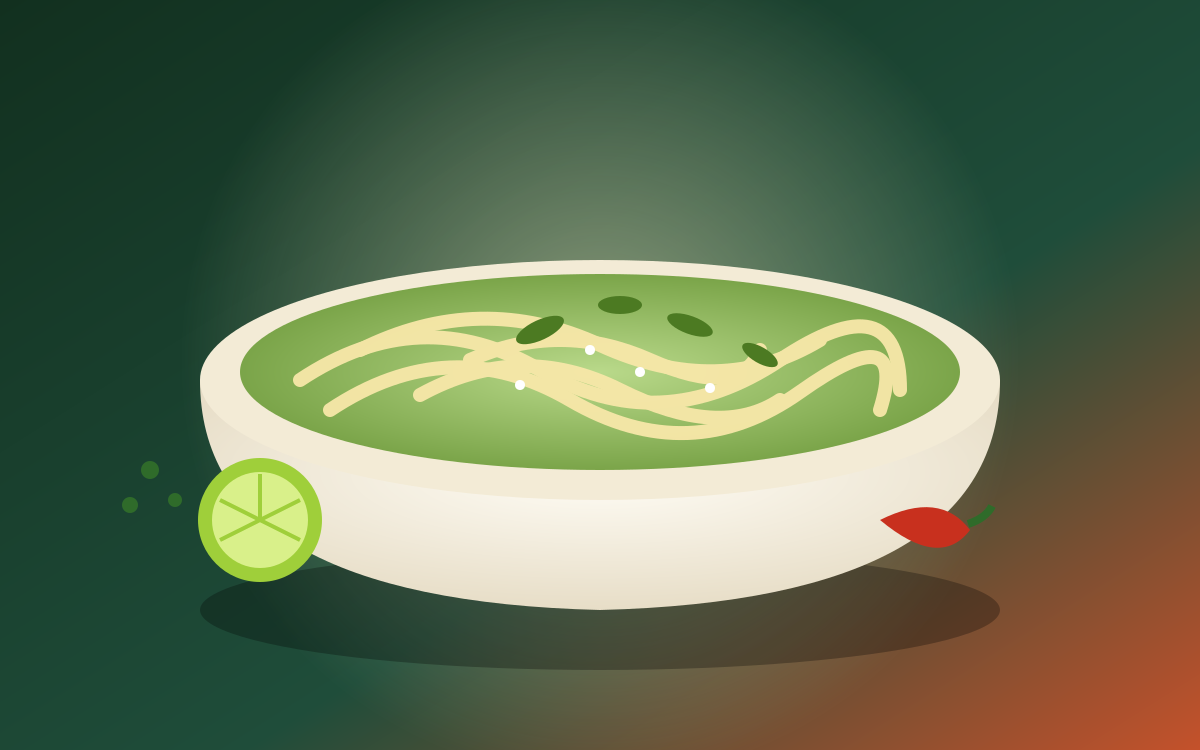
Pasta in Mexico is not an import novelty. Dried noodles such as fideo are a staple of the Mexican pantry, and noodle dishes are a regular part of the midday meal known as the comida. A few of the best-known styles:
- Sopa de fideo (soupy): thin noodles toasted in oil, then simmered in a light tomato, garlic and onion broth. A childhood comfort food for many families.
- Sopa seca (dry soup): the same toasted noodles cooked until they absorb the sauce, so the dish comes out rich and not brothy. Often served as a course before the main dish.
- Espagueti verde: spaghetti tossed in a creamy sauce made from roasted poblano peppers, cream and cheese, sometimes finished with corn or chicken.
- Espagueti rojo: spaghetti in a tomato-based sauce, often seasoned with chile and served alongside meat.
- Pasta with chile and seafood: a coastal twist that brings shrimp together with a garlic, chile and cream or tomato sauce, in the same spirit as camarones a la diabla.
Why pasta and Mexican flavors work together
Noodles are a blank canvas for the sauces Mexican cooking does best: roasted chiles, tomato, garlic, cream and fresh cheese. A creamy poblano sauce has the same earthy, mildly spicy character as a chile relleno, and a garlic-chile shrimp pasta echoes the flavors of our seafood menu.
What to eat it with
- Mexican sushi + a cucumber margarita: the cooling cucumber balances chile heat. See our sushi and margarita pairing guide.
- Creamy pasta + a lime-forward margarita or Playa Norte: acidity cuts through cream and cheese.
- Spicy dishes + guava or mango margarita: sweet fruit softens the heat.
- Not drinking alcohol? Try an agua fresca.
Order tips for first-timers
- Start with a roll to share and a plate of guacamole or ceviche.
- Tell us about allergies (shellfish, gluten, dairy, soy and sesame often appear in sushi and pasta sauces).
- Ask about heat level. You can usually ask for more or less chile.
- Pair it: pick a margarita flavor from our 11 flavors.
Visit Playa Grande in Menomonee Falls
We are at W186N9515 Bancroft Dr, Menomonee Falls, WI 53051, in the strip with Great Clips and Chinatown Kitchen, near Culver's and Chick-fil-A. See hours and directions, browse the full menu or order pickup online.
Mexican sushi and pasta dishes are not on the April 2026 printed menu, and rolls and ingredients can change. Ask the team or call (262) 293-3097 for what is available today, and tell us about any allergy before you order. Must be 21+ to order alcohol; please drink responsibly.